
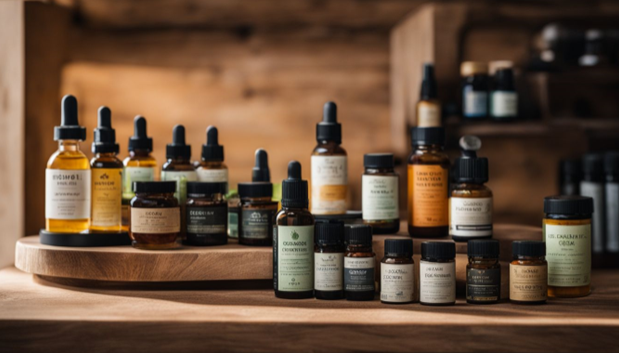
Many people today are turning to CBD topicals for relief from pain and skin issues. One key fact is that these products come in varying concentrations of CBD. This article will guide you through understanding these concentrations, helping you choose the right product for your needs.
Understanding CBD Topicals
Understanding CBD topicals involves knowing the various types and popular forms and how they are measured.
Types of CBD topicals
CBD topicals come in several forms, including creams, balms, lotions, and salves. Each type serves a unique purpose for the skin or pain relief CBD Flower of Life. Creams are rich and designed to hydrate or moisturize dry skin deeply.
Balms have a thicker texture that targets specific areas with discomfort or inflammation. Lotions are lighter than creams and absorb quickly into the skin for general use. Salves, made with oils and waxes, provide concentrated relief to targeted areas.
Shoppers find that CBD concentrations in these products vary widely. This means paying close attention to labels is crucial for finding what works best for you. The next section will help you better understand CBD labels.
Popular forms of CBD topicals
CBD topicals come in various forms, including creams, balms, and lotions. These products are widely used for skin care and localized relief of discomfort. CBD-infused creams are famous for their ease of application and targeted relief, making them a go-to choice for many users.
Balms offer a thicker consistency that some prefer for intensive moisturization and deep tissue massage. On the other hand, lotions are known for their lighter texture, providing quick absorption into the skin while delivering the benefits of CBD.
The different forms cater to specific needs – from those seeking intense hydration to others requiring quick absorption or focused application. Understanding these distinctions helps users identify which form best suits their requirements when exploring CBD topicals as part of their skincare routine or pain management strategy.
How CBD topicals are measured
CBD topicals are measured in milligrams of CBD per gram of product. The concentration is usually displayed on the label, indicating how much CBD is present in each use. It’s crucial to carefully read and understand the measurements on the label before using any CBD topical.
A Certificate of Analysis (COA) includes vital information about hemp extract concentration, THC percentage, and other cannabinoids in a CBD product, providing transparency for consumers.
Understanding these measurements can help users choose the right concentration for their needs when shopping for CBD topicals. Additionally, it ensures they are getting the desired amount of CBD from the product they select.
Different Concentrations in CBD Topicals
Understanding the concentration of CBD in topicals involves interpreting labels and considering factors that impact potency. Choose the right concentration to match your specific needs for effective results.
Understanding CBD labels
CBD labels contain essential information about the product, including CBD type and concentration. When choosing a CBD topical, look for terms like “full-spectrum,” “broad-spectrum,” or “isolate” on the label to understand the type of CBD used.
Additionally, the concentration is measured in milligrams per millilitre (mg/mL), which indicates how much CBD is present in each unit of measurement. This helps buyers select products tailored to their needs.
The Certificate of Analysis (COA), often accessible via QR code or website, provides comprehensive data on hemp extract concentrations and THC percentages. Always seek out this document when purchasing, as it unlocks crucial product details.
With this knowledge, consumers can decide which CBD topical best meets their requirements and preferences.
Factors that affect CBD concentrations
The extraction method, hemp source, and product type impact CBD concentrations. Understanding the difference between full-spectrum, broad-spectrum, and isolate helps you choose the CBD concentration for your needs.
When selecting a CBD product, pay attention to the Certificate of Analysis (COA) for information on hemp extract concentration and THC percentage. Additionally, consider your specific requirements when choosing from different concentrations of CBD topicals.
Choosing the right CBD topical concentration for your needs
When selecting a CBD topical, consider the concentration that suits your needs. Analyze the Certificate of Analysis (COA) for information on hemp extract concentration and THC percentage.
It’s important to know that topicals with higher concentrations typically offer more potent effects, while lower concentrations are suitable for beginners or those with mild concerns.
Identifying the right CBD topical concentration based on individual preferences and specific requirements.
Conclusion
Understanding the different concentrations in CBD topicals is crucial for maximizing their benefits. From deciphering CBD labels to selecting the right concentration, knowing the factors that affect them empowers users.
Whether for skincare or therapeutic purposes, navigating the diverse world of CBD topicals and their concentrations can ensure tailored use and maximum effectiveness. By understanding these nuances, users can make informed choices when selecting CBD topical products.
