Many people wonder why raw hemp does not provide the same effects as active CBD. In raw cannabis, cannabinoids like CBDA need heat to change into their active form Elyxr LA Products. This post explains how decarboxylation uses temperature and a chemical reaction to activate CBD from raw hemp.
Key Takeaways
- Decarboxylation is a chemical process that uses heat to turn CBDA in raw hemp into active CBD.
- The best temperature for decarboxylation is between 220°F and 245°F to activate cannabinoids without losing potency.
- People use different methods like baking, making butter, brewing tea, or using vaporizers to decarboxylate hemp at home.
- Activated CBD has stronger effects and better bioavailability than its inactive form found in raw hemp.
- Post-extraction heating of oils also activates cannabinoids like CBD and THC, making them more effective for users.
What is Decarboxylation and Why is it Important for CBD?
Decarboxylation is a chemical reaction that transforms inactive compounds in raw hemp into active cannabinoids. This process enhances the potency of CBD and other beneficial ingredients, making them effective for users seeking therapeutic effects.
Definition and scientific explanation
Decarboxylation is a chemical reaction that transforms raw cannabis. This process activates cannabinoids like CBD and THC. In the plant, these compounds exist as acids: CBDA (cannabidiolic acid) and THCA (tetrahydrocannabinolic acid).
Heat triggers decarboxylation, removing a carboxyl group from these acids. As temperatures rise, the compounds convert into their active forms.
For CBD production, decarboxylation holds crucial importance. It enhances pharmacological effects by making cannabinoids more bioavailable. Users benefit when they consume activated CBD instead of its inactive form found in raw hemp.
Benefits of decarboxylation for CBD production
Decarboxylation plays a vital role in producing active CBD from raw hemp. This process transforms inactive compounds like CBDA into their active forms, such as CBD. When raw cannabis is heated, it undergoes this chemical reaction and releases carbon dioxide.
Active compounds in CBD lead to increased effectiveness for consumers seeking relief from various ailments. Without decarboxylation, the potential for therapeutic effects decreases significantly.
Understanding these benefits helps you appreciate why heating raw hemp is essential in creating powerful CBD products. Next, we will explore how this process works step by step.
The Decarboxylation Process
The decarboxylation process transforms raw cannabis into active forms like CBD. It requires precise temperatures and various methods, such as using tea, butter, or baking cookies.
Optimal temperatures for decarboxylation
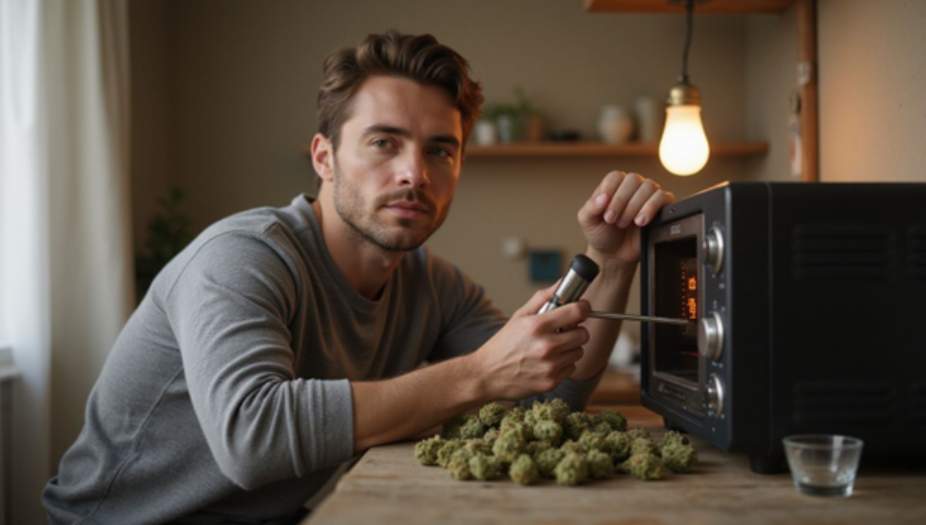
Decarboxylation activates CBD by applying heat at the right temperature. For effective decarboxylation, aim for temperatures between 220°F and 245°F. This range triggers a chemical reaction that converts CBDA into active CBD.
Overheating can destroy cannabinoids like THC or CBD. Keeping your hemp in this temperature zone ensures you achieve maximum potency. Different methods, such as using an oven or stovetop, can help control the heat during this essential process.
Enjoying raw cannabis at these optimal temperatures makes your homemade concentrates more potent and enjoyable!
Different methods of decarboxylation (tea, butter, cookies)
The process of decarboxylation can vary widely. Many CBD users enjoy using different methods to activate their cannabinoids.
- Brewing tea is a popular choice. Heat helps convert CBDA into active CBD. Add raw hemp to your favorite tea leaves for an easy infusion. Steep the mixture for several minutes to ensure proper activation.
- Making butter offers another method of decarboxylation. This approach allows you to create a flavorful base for cooking or baking. Simply melt unsalted butter over low heat and stir in ground hemp. Keep the mixture at a steady temperature, allowing it to infuse for up to an hour.
- Baking cookies is both fun and effective. Use your decarboxylated hemp-infused butter as an ingredient in your cookie dough. The oven’s heat activates the cannabinoids while creating tasty treats that are enjoyable and therapeutic.
- Infusing oils also serves well for cooking or salad dressings. Combine raw hemp with olive or coconut oil in a slow cooker at low temperatures for several hours, ensuring full cannabinoid activation.
- Creating tinctures provides a quick method too. Soak raw cannabis in high-proof alcohol and let it sit in a warm spot, shaking occasionally, until the cannabinoids activate completely.
- Using vaporizers is another option that avoids any added ingredients entirely. Inhale directly from heated raw cannabis to activate its cannabinoids instantly without any other processes involved.
Conclusion
Decarboxylation transforms raw hemp into active CBD. This process unlocks the benefits of cannabinoids. Heat plays a crucial role in activating CBDA, changing it into CBD. By understanding decarboxylation, users can enjoy enhanced effects from their favorite products.
FAQs
- What is decarboxylation in hemp processing?
Decarboxylation is a chemical reaction that uses heat to change raw cannabis compounds like CBDA and THCA into active cannabinoids such as CBD and THC.
- Why does raw hemp need activation before use?
Raw hemp contains cannabinoid acids, not active cannabidiol or tetrahydrocannabinol. The process of activation through heat turns these acids into useful forms for the body.
- How does temperature affect the decarboxylation process?
Temperature plays a key role in this chemical transformation; proper heat ensures CBDA becomes CBD and THCA becomes THC during extraction methods.
- What happens to phytocannabinoids during decarboxylation?
Phytocannabinoids go through a chemical change when exposed to heat, shifting from their acid form found in raw cannabis to activated forms with different effects on the body.
- Can you get benefits from eating raw cannabis without decarboxylation?
No, because most beneficial cannabinoids are inactive in raw cannabis; only after the decarboxylation process do they become bioavailable for health benefits. …